Boston Stamped Concrete Experts

Menu
Concrete Slabs Designed for Boston’s Heavy Loads
Concrete Slab Boston
In order to accommodate the heavy traffic in Boston’s urban environment, it is necessary to use thick concrete slabs that will be able to carry both large commercial equipment and vehicles, as well as many parked automobiles. Whether you’re putting in a new driveway, a new garage slab, or a new foundation, the added strength of an engineered concrete slab is required in order to be able to withstand all of the conditions of the city of Boston. These engineered concrete slabs are designed to be reinforced with additional steel to allow for load-bearing capacity, reduce cracking, and provide years of service.
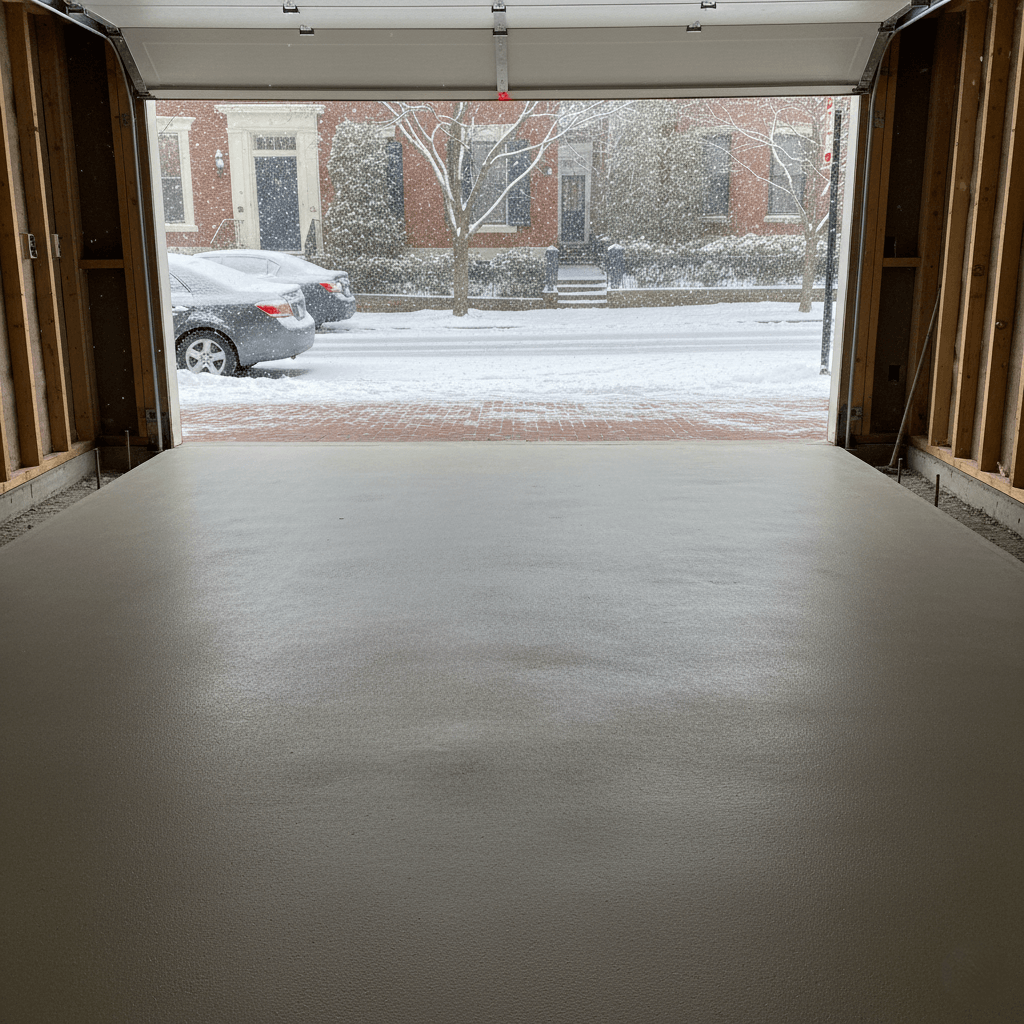
Why Engineered Slabs Are Needed In Boston Due To Soil Type & Weather
Boston’s combination of clay-rich soil and harsh weather creates a difficult environment for concrete slabs. When clay-rich soils get wet, they expand, and when they dry, they contract. Repeatedly going through this cycle causes concrete to crack and break down. In addition, Boston’s freeze/thaw cycle further accelerates the cracking process. Lastly, many areas of Boston have limited space, resulting in a higher density of heavy trucks, construction equipment, and large buildings that place high levels of stress on concrete slabs. Engineered concrete slabs provide a solution to these problems using special materials and installation methods.
As such, engineered slabs are ideal for homeowners in densely populated areas of Boston (such as the Back Bay or Fenway), who rely on durable driveway slabs to hold up to the wear and tear of daily vehicle traffic. For business owners in areas such as the Seaport District or Downtown Crossing, which host heavy foot traffic and construction equipment, engineered slabs provide the necessary strength to hold up to the stresses associated with commercial activity.
Advantages Of Engineered Slabs Compared To Standard Concrete Slabs
Engineered concrete slabs have many advantages compared to standard concrete slabs, including:
Strength:
Reinforced with steel rebar or wire mesh to provide superior structural integrity.
Durability:
Provides resistance to cracking and shifting due to environmental factors.
Longevity:
Engineered slabs can last 30+ years without requiring significant maintenance.
Customization:
Engineered slabs can be customized to meet specific weight loads and aesthetic considerations.
Cost Effectiveness:
Saves money in the long run by eliminating the need for costly repairs and replacement.
These advantages make engineered slabs a worthwhile investment for both residential and commercial property owners in Boston.
Types Of Engineered Slabs Used In Boston
While all engineered slabs are made with a variety of materials, there are several different types of engineered slabs available to meet different needs, including:
Reinforced Slabs:
Utilize steel rebar or wire mesh to provide increased strength and prevent cracking.
Post-Tensioned Slabs:
Utilize tensioned cables to create a stronger, more pliable slab.
Fiber Reinforced Slabs:
Incorporate fibers (i.e., steel, glass, or synthetic) to increase the slab’s durability.
Industrial Slabs:
Designed specifically for industrial applications (i.e., heavy machinery or commercial use) with larger thicknesses and reinforced materials.
Residential Slabs:
Focuses on providing a visually appealing slab for driveways, garages, or patios.
For homeowners in Boston, reinforced slabs are the most popular type of slab used for driveways and garages due to the fact that they provide sufficient strength to withstand the loads of heavy vehicles, while also being able to withstand the elements.
Factors To Consider When Choosing The Right Slab For Your Project
There are a number of factors to consider when selecting the right slab for your project. Some of these include:
Weight Requirements:
Determining the heaviest weight the slab will need to support.
Soil Conditions:
Boston’s clay-rich soil can necessitate additional reinforcement or drainage systems.
Weather:
Engineered slabs should be resistant to damage caused by freeze/thaw cycles and water damage.
Visual Preferences:
Select a slab texture and color that matches your property’s style.
Budget:
Engineered slabs are more expensive than standard concrete slabs; however, they will ultimately reduce repair costs.
Consulting with a professional contractor will allow you to evaluate these factors and determine the best slab option for your project.
What To Expect During The Installation Process
Engineered concrete slab installation is a multi-step process that requires specialized knowledge and tools. Below are some steps you can expect during the installation process:
Clear & Level Site Prep:
Remove debris, level the ground, and compact the soil to prepare a solid base.
Form Work:
Install wooden form boards to give the slab its shape and ensure even drainage.
Reinforcing:
Add steel rebar or wire mesh to add additional strength to the slab.
Pouring:
Pour the concrete into the forms, spreading it evenly throughout the forms.
Finishing:
Apply the final coat of finish to the surface of the slab (optional).
Curing:
Allow the slab to cure for 2–7 days before allowing vehicular traffic upon the slab.
Overall, the entire installation process will take approximately 3–5 days, depending on the size of the slab and the complexity of the job.
Finding A Reliable Contractor In Boston
Finding a qualified contractor in Boston is crucial to the success of your slab installation. Here are some things to look for in a contractor:
Experience:
Contractors with extensive experience in engineered concrete slabs will understand the process and know how to avoid potential pitfalls.
License & Insurance:
Be sure the contractor is properly licensed and has insurance coverage to protect you from liability.
Portfolio:
Ask the contractor if they have photos of previously completed projects to demonstrate their quality of work and style.
Customer Reviews:
Check out online reviews to gauge the contractor’s reputation among customers.
Bids:
Request bids from a number of contractors to compare prices and service offerings.
Because Boston is a very hard environment for installing concrete slabs (due to soil movement and freezing temperatures), selecting a contractor familiar with the area is particularly important. An established contractor will walk you through the entire process – from planning to installation – and ensure that your new slab meets your needs and exceeds your expectations.
Tips On Maintaining Your Engineered Concrete Slab
Engineered concrete slabs are relatively low maintenance; however, regular cleaning and sealing will greatly extend the life of the slab.
Cleaning:
Clean the slab regularly by sweeping away debris and washing the slab with a mild detergent as needed.
Sealing:
Seal the slab every 2–5 years to prevent stains and salt damage.
Chemical Precautions:
Avoid using harsh chemicals on the slab (use salt-free de-icers in winter) to prevent damage.
Fixing Cracks:
Repair small cracks promptly, as neglecting to do so can lead to larger issues down the road.
By taking the time to properly maintain your engineered concrete slab, you can enjoy the benefits of owning a long-lasting slab for 30+ years.
Building With Confidence: The Top Boston Stamped Concrete Experts
Boston Stamped Concrete Experts is an expert provider of engineered concrete slabs designed to comply with Boston’s weight and loading requirements. The experts at Boston Stamped Concrete Experts are skilled technicians utilizing premium materials and time-tested methods to provide strong, long-lasting results. No matter if you require a driveway, a garage floor, or a foundation slab, our team will work together with you to develop a plan that fits your specific needs.
Do not settle for a substandard slab that cannot endure Boston’s heavy loads. Contact us today to learn how we can construct a solid, long-lasting base for your home or business.
LATEST POSTS
Concrete Pouring Methods That Reduce Winter Cracking in Boston
December 17, 2025
No Comments
Why Boston’s Climate Demands Specialized Foundation Repair
December 13, 2025
No Comments